Print Culture and the Road to Independence
Revolutionary-era propaganda art and writing, like Paul Revere's Boston Massacre engraving and Thomas Paine's Common Sense, gave colonists a shared sense of purpose and identity, showing how powerful communication could turn frustration with British rule into a movement for independence.
The Argument
The protests over British taxes, the spread of pamphlets, Paul Revere's engraving of the Boston Massacre, and Thomas Paine's Common Sense show how print culture and public opinion worked together to inspire unity and push the colonies toward independence.
In the years leading up to 1776, the American colonies developed a shared political identity not through armies or formal governments, but through words and images. Printed materials traveled from port cities to rural taverns, carrying ideas about taxation, representation, and self-government. These texts and pictures shaped how ordinary colonists understood their relationship with Britain and with each other.
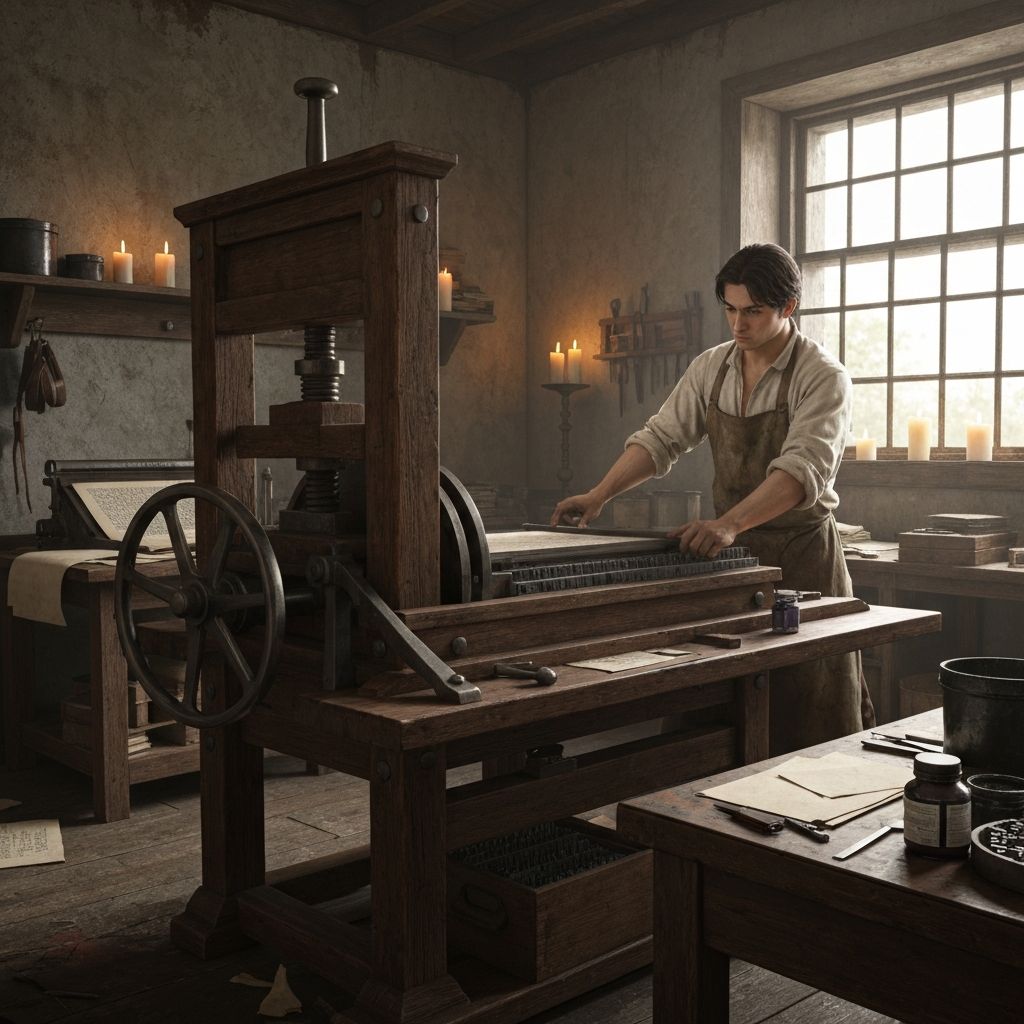
This site examines how communication shaped the Revolution. It looks at the British tax acts that sparked boycotts and public gatherings, the cheap pamphlets that spread political debate, Paul Revere's powerful engraving of the Boston Massacre, and Thomas Paine's plain-spoken argument for independence in Common Sense. It also considers limits and contradictions in revolutionary propaganda, including British public opinion, the lack of mass British propaganda aimed at home audiences, and Thomas Jefferson's deleted slavery paragraph, which shows how leaders framed policy while avoiding uncomfortable truths ("American Revolution"; "Paul Revere's Engraving").
The evidence demonstrates that print culture transformed scattered protests into a unified movement. British policies such as the Sugar Act, Stamp Act, Townshend Acts, and Intolerable Acts triggered public readings, sermons, and boycotts that built a sense of shared identity around the principle of "no taxation without representation" ("American Revolution"; "The Revolutionary War"). Pamphlets offered cheap, portable arguments that anyone could read, debate, and pass along. Revere's engraving gave the Boston Massacre a clear visual story of British cruelty, even as it distorted facts and later altered the image of Crispus Attucks ("Paul Revere's Engraving"). Paine's Common Sense spoke in everyday language and sold hundreds of thousands of copies, making the case for independence feel urgent and natural (Kiger; "Common Sense By Thomas Paine").
Yet propaganda had limits. Not all colonists supported independence, and British sentiment shifted as the war dragged on and costs mounted, though Britain's monarchical system meant public opinion had less political impact than in the colonies ("The American Revolution"; Zielinski). Surprisingly, Britain produced relatively little mass propaganda aimed at its own public about the American conflict. Possible explanations include political priorities, the belief that the revolt would end quickly, established print norms, and varying levels of public interest (Zielinski; Gould). Jefferson's deleted slavery paragraph from the Declaration of Independence reveals how revolutionary leaders used commercial and moral language to frame policy while avoiding contradictions at home ("The Declaration of Independence"; Holton). Historians such as Frederick B. Tolles and later scholars have argued that the Revolution was more than a political break. It was a social movement that reshaped laws, religious institutions, and class relations (Tolles; Parkinson).
Together, these examples show that the Revolution succeeded not just because of military victories but because images and words built a sense of unity and purpose. The power of print to shape public opinion remains relevant today, reminding us that the stories we tell and the images we share can inspire action and change the course of history.